
Whoa, that surprised me. I was poking around my browser extensions late last night. Phantom kept popping up in a way I’d not seen before. Initially I thought it was another update prompt, but then I realized the icon and prompts were tied directly to Solana dApp interactions that I had initiated earlier that day. My instinct said something felt off about the permissions request, and after digging I found somethin’ that didn’t quite match what I remembered from previous installs, so I paused.
Seriously, did that happen? If you use Solana regularly, this kind of thing will catch your eye. Okay, so check this out—browser wallet UX has matured fast in recent years. On one hand browser wallets made interacting with NFTs and web3 far more convenient, though actually there are layers of risk that many users overlook until they click through a prompt and grant more than intended. I’ll be honest, that part bugs me because the interface sometimes buries advanced options behind terse dialogs that read like standard security verbiage, and users can end up consenting to broad permissions with a single careless click.
Hmm… I wasn’t sure. Phantom has become the de facto Solana wallet in many circles. But not all installs come from the official source, and that matters a lot. I dug into extension manifests, compared publisher IDs, and cross-checked update URLs across a couple of profile directories because I wanted to be sure I wasn’t chasing a false alarm that would waste time. Actually, wait—let me rephrase that: security checks require both automated scanning and human judgment, because signatures and filenames can be spoofed, and you need to understand context.
Wow, seriously impressive. If you’re installing a Solana wallet extension, pause and verify the origin. Check the publisher name, read the permissions, and google anything that feels unfamiliar. On my laptop I compare the extension ID strings with values published on the project’s official site and on community channels, which helps detect impostors that try to mimic the look of a popular wallet. If something diverges, I stop and reach out to a trusted channel or the wallet’s official support, because it’s better to lose five minutes than to risk keys or seed phrases.
Here’s the thing. A quick aside: I prefer a separate browser profile for crypto. It isolates extensions and reduces accidental interactions with sites. My workflow also includes backing up the seed phrase in a hardware wallet and in a secure offline location, because software-only backups have failed me in the past more than once and I learned the hard way. On one hand, browser convenience is great; on the other, the moment your private key leaks from an extension, recovery is messy and irreversible for many chains including Solana.
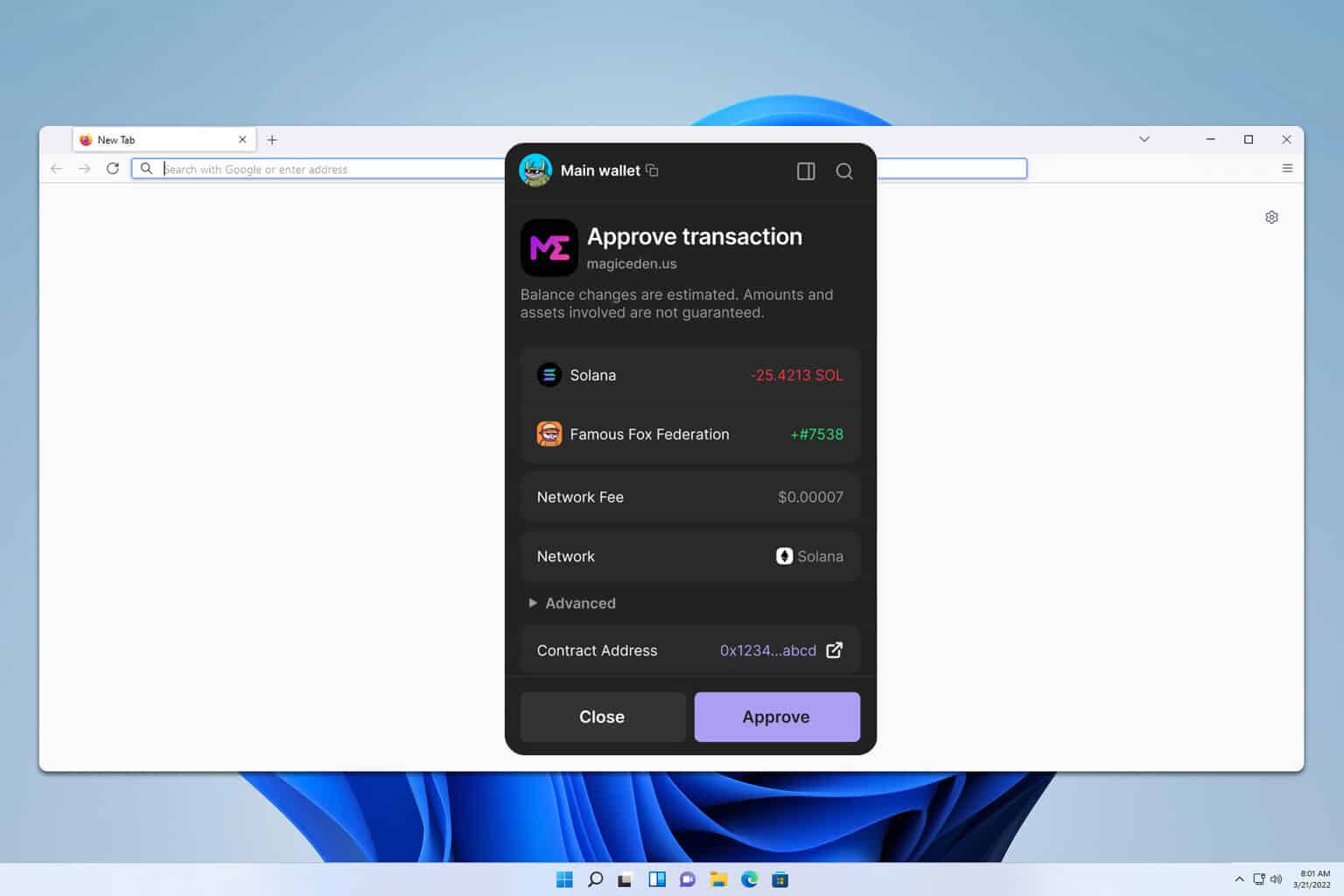
Where to start, and a practical download note
Really, think about that. Phantom’s UI is clear, and the onboarding looks polished to most users. That polish can lull people into trust, which is a social engineering vector. So you should pair that perceived polish with concrete checks like verifying the extension ID, reading changelogs, and optionally testing with small token amounts before moving larger balances. Initially I thought small-test transactions were overkill for experienced users, but then realized novices and pros alike make mistakes and that a tiny dry run often prevents big mistakes later.
Okay, let’s pause. A lot of people ask whether mobile wallets are safer than browser extensions. The simple answer is: it depends on your threat model and habits. If you frequently click unknown links on desktop, a hardened mobile wallet might be safer, but if you use a locked-down browser profile and follow best practices, the extension can be equally secure for everyday use. I’m biased toward hardware-backed keys for any meaningful balance, though I know that’s not always practical for casual collectors and early adopters who want instant frictionless access.
Somethin’ felt off. When installing, watch for permissions that request full site access or indefinite background activity. Also look at the update URL and whether the extension auto-updates without prompts. If either the update channel is unusual, or the publisher metadata doesn’t match what’s documented publicly, that’s a strong sign to stop and verify before proceeding further with any wallet setup. I once saw an imposter extension that mirrored Phantom’s iconography but used a different extension ID and a third-party update path, and discovering that early saved me from losing a small, but real, test balance.
Whoa, seriously wild case. A practical tip: use the community channels, GitHub repo, or the official website for confirmation. I cross-check Twitter threads and the verified support handle before installing. For most users the best path is to download from the browser’s official extension store and then verify that the developer linked on the store page matches the wallet project’s official site and support communications. If you’re adventurous, keep one profile for experimentation and a separate, minimal-profile for holding assets, and migrate funds only after multiple small successful transactions confirm everything behaves as expected.
I’ll be honest. I installed Phantom many times during early testing phases and watched its security evolve. Still, I recommend skepticism and routine checks even for popular wallets. If you want to get Phantom safe and set up quickly, follow the checklist I described, keep your keys offline when possible, and always confirm download sources before you paste a seed phrase anywhere. For an official starting point that many people use, you can visit the project’s download page here: phantom wallet download extension, but remember to verify details and to practice caution.