
Whoa! I kept using wallets that felt like they were made in 2017. They were fine for holding tokens, but when I started doing real DeFi—swaps, approvals, layered apps—the cracks showed. Over time those cracks turned into things that slowed me down and sometimes created real risk, and I got tired of juggling plug-ins and popups while trying not to sign junk transactions. So I tried somethin’ different, and that led me to Rabby.
Seriously? The name alone didn’t sell it to me. At first glance Rabby looks clean, almost minimalist, but that belies some thoughtful UX choices. For instance the way it surfaces contract approvals and groups risky actions felt deliberate rather than slapped-on; those little nudges changed my habit of blindly approving everything. And yeah, my instinct said “okay this might help,” but I tested it against a half-dozen dApps across multiple chains before getting comfortable.
Hmm… here’s the thing. I used it in my daily workflow for weeks, not just a quick review, and that matters. I kept a mental checklist: speed, approval UX, chain management, gas controls, ledger support, and how it handled custom RPCs. Initially I thought a slick UI would be mostly cosmetic, but then I realized my attention fatigue dropped—less guesswork meant fewer mistakes—and that was surprisingly valuable. Actually, wait—let me rephrase that: the UI didn’t just look good; it reduced cognitive load when making security decisions.
Wow! Let me break down what stood out. First, Rabby isolates approvals into clearer categories, which sounds small but stops a lot of accidental approvals when you’re rushing. Second, it supports multiple wallets and hardware integration without feeling clunky. Third, its gas controls and preview screens give you context so you can see implied approvals and token allowances before you hit confirm. Those previews are very very important, trust me.
Really? Security specifics then. Rabby defaults to showing contract call data and flags unusual allowance increases. It doesn’t magically make you safe—no wallet does—but it gives you the tools to be safer, which I prefer to wallets that obscure details. On one hand some users may find extra dialogs annoying, though actually that friction is the point: it prevents stupid mistakes, like approving infinite allowances without realizing it. I’m biased toward safety here; this part bugs me when wallets dumb things down for UX points.
Whoa! On the performance side it’s snappy. I run a bunch of extensions, so speed matters. Rabby felt lightweight compared to some competitors that slow your browser; transactions pop up fast and signing is quick. And while I don’t have every device under the sun, my experience on a Mac and a Windows laptop was consistent which is reassuring.
Here’s the thing about compatibility. Rabby supports multiple EVM chains out of the box and handles custom RPCs cleanly, which matters if you hop between mainnet, testnets, and lesser-known chains. I connected to Polygon, BSC, and a private testnet without fuss. On the other hand there are still edge-case dApps that assume MetaMask and break; Rabby is improving compatibility constantly, but be prepared to sometimes switch wallets for odd legacy integrations.
Whoa! The advanced features deserve a note. Rabby includes per-dApp account separation, which helps when you want a “spend-only” account for risky interactions. It also groups token approvals and lets you batch revoke allowances—handy when you’re cleaning up after a big DeFi session. Those features saved me time and reduced my exposure when I was trying out new protocols.
Seriously? Wallet recovery and seed handling are basic but crucial. Rabby follows standard seed-based recovery flows and supports hardware wallets. I tried a Ledger via Rabby and the experience was straightforward; the extension routes signing to the device cleanly. That said, backups are as important as ever—if you lose your seed you lose everything—and Rabby can’t change that fundamental truth.
Whoa! Now about UX decisions that felt odd. Some confirmations felt wordy, and at first I thought they were overbearing. Then I realized those extra words were trying to map low-level contract actions to plain language, which is hard to do perfectly. My gut told me “ugh this is verbose,” but after a few sessions I appreciated the extra context when a contract call would otherwise have looked like garbage data.
Here’s the thing—trade-offs matter. Rabby adds safety and clarity at the cost of a few extra clicks. For high-volume airdrop hunters or power users who prioritize speed, those clicks can feel like a slowdown. For me, saving one disastrous approval is worth the minor friction. I’m not 100% sure every user will agree though; your mileage will vary.
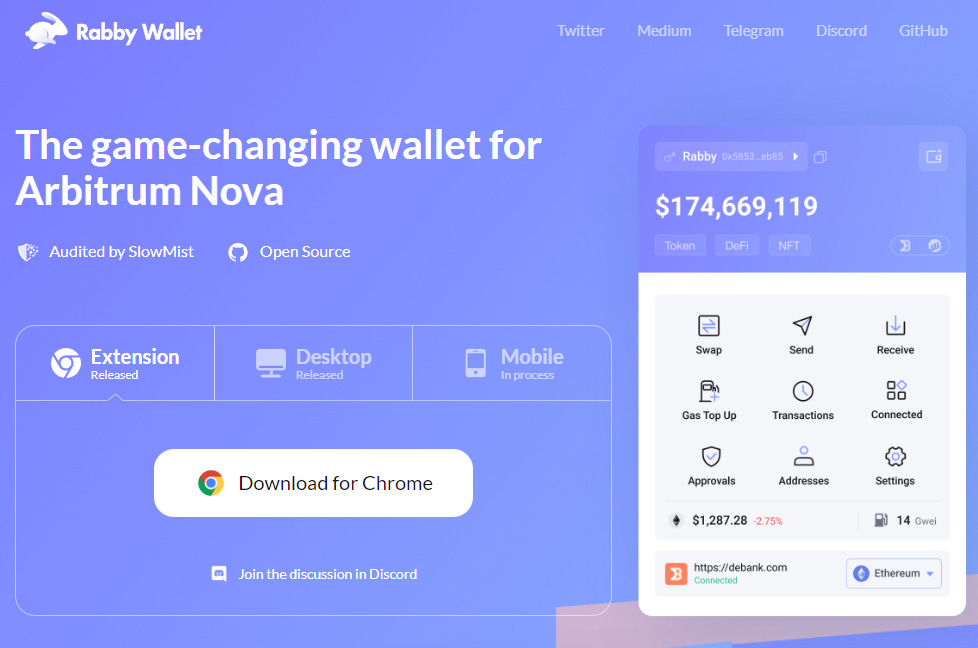
Wow! Installation notes for folks who want to try it. Install the browser extension from the official source, create or import a wallet, and then connect to dApps as you normally would—but pause at every approval and read the preview. If you prefer a guided link, you can find the official download and guidance here: rabby. (oh, and by the way… always double-check the URL—phishing is real.)
Real-world tips and a few caveats
Whoa! Quick practical tips before you dive in. First, use a hardware wallet for large balances; Rabby works with Ledger which keeps keys off your machine. Second, create separate accounts for experimentation versus long-term holdings to limit blast radius if somethin’ goes wrong. Third, periodically review and revoke token approvals—Rabby’s batch revoke makes this less painful. Finally, keep your extension updated; the team patches compatibility and security issues frequently.
Seriously? Caveats to keep in mind. Some niche dApps assume MetaMask behaviors and may need workarounds. Also, advanced users who rely on specific MetaMask-only features might feel constrained. On the other hand, Rabby’s steady updates and community focus mean many of these gaps shrink over time—so if you value active development, that’s a plus.
Frequently asked questions
Is Rabby safer than MetaMask?
Whoa! Safer is relative. Rabby emphasizes clearer approvals and better UX for reviewing contract calls, which can reduce mistakes. MetaMask is widely used and battle-tested, but Rabby brings additional guardrails that help prevent risky approvals; still, user behavior and seed security remain the biggest factors.
Can I use Rabby with a Ledger?
Seriously? Yes. Rabby supports Ledger hardware wallets and routes signing to the device properly. I tested this and it worked smoothly, though make sure your Ledger firmware and apps are up to date.
What should I watch out for when switching?
Whoa! Two things: compatibility quirks with old dApps, and the temptation to skip reading confirmations. Rabby helps by showing more context, but you still need to read approvals. Also—backup your seed and store it offline.